Female Hormone Therapy in wichita, Kansas
Women are too often told their symptoms are “normal,” something to push through, or simply part of getting older. Low energy, stubborn weight gain, brain fog, poor sleep, mood changes, and low libido. These are Hormone imbalance symptoms, and they’re not something you have to accept.
Women’s hormone replacement therapy is about restoring balance, resilience, and vitality by addressing what’s actually happening beneath the surface.
It’s time to take control of your aging process and start feeling better!
At Wellness Culture, we don’t guess and we don’t do one-size-fits-all protocols. We use data-driven lab testing, personalized hormone optimization, and lifestyle strategy to help women reclaim strength, clarity, and confidence at every stage of life. This is proactive healthcare, for women who want to feel powerful in their bodies again.
Hormone Changes Are Real
And So Are Your Symptoms
Am I in menopause or perimenopause?
Hot flashes and night sweats
Fatigue and low energy
Mood changes, anxiety, or depression
Sleep disturbances
Weight gain and changes in body composition
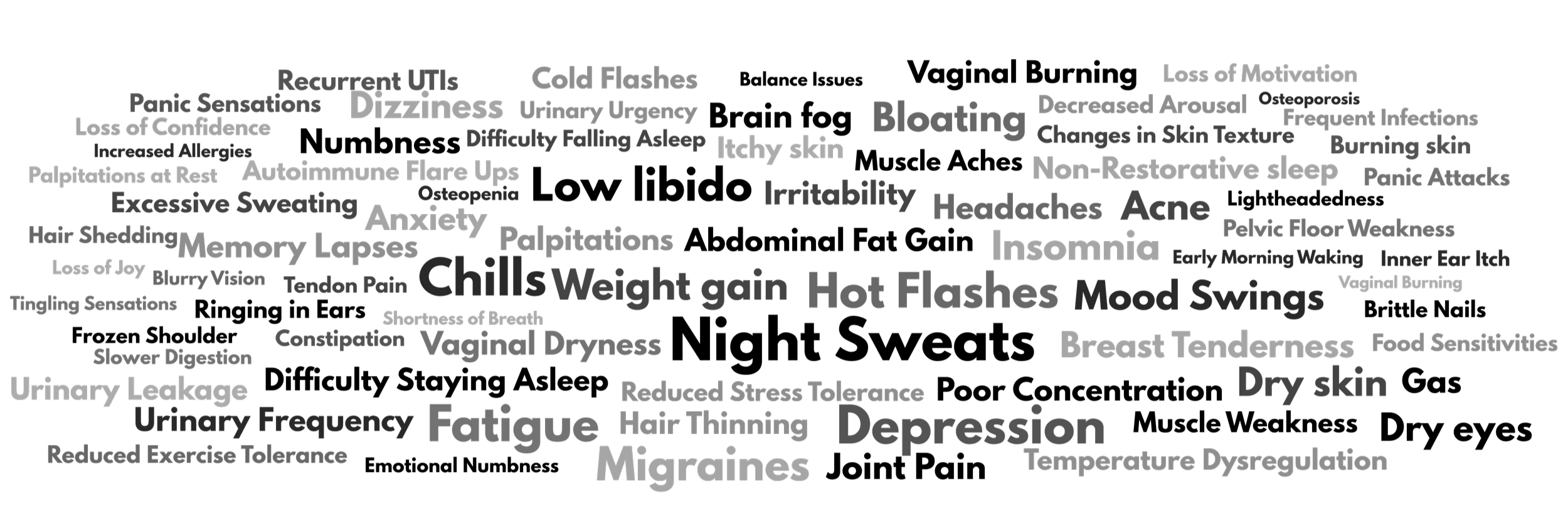
As women move through perimenopause and menopause, the body can experience up to 100 different symptoms as hormone levels begin to shift and decline. While every woman’s experience is unique, some of the most common symptoms include:
Traditional healthcare often addresses these symptoms individually, prescribing medications to suppress or manage each one. While this approach may provide temporary relief, it often overlooks the root cause: hormonal imbalance.
Treating the Root Cause,
Not Just the Symptoms
The process begins with a phone consultation to discuss your health history, goals, and current concerns. During this call, we will also arrange for comprehensive laboratory testing with our conveniently located lab partner. All laboratory services must be prepaid at the time of scheduling.
Hormones like testosterone, estradiol and progesterone play a foundational role in nearly every system of the female body, including brain function, metabolism, bone health, cardiovascular health, and emotional well-being. When these hormones decline, symptoms aren’t random, they are signals!
Rather than masking symptoms with multiple medications, hormone optimization focuses on restoring balance. When estrogen and progesterone are thoughtfully and safely optimized, many of these symptoms can improve simultaneously, often reducing the need for multiple symptom-based prescriptions.
A Different Approach to Women’s Health
At Wellness Culture, we believe women deserve more than reactive care. By addressing the underlying hormonal shifts that occur during perimenopause and menopause, we help women regain energy, improve sleep, stabilize mood, support metabolic health, and move through this phase of life feeling strong, clear-minded, and in control.
This isn’t about “getting through” menopause, it’s about living optimally through every stage of life.
how it works
Once your labs are completed and results are received, you will be contacted to schedule a visit to review your labs in detail and develop a personalized care plan tailored to your individual needs. Treatment might include medications that will be sent directly to you from our reputable partnered pharmacies.
This program is not covered by insurance and is offered on a self-pay basis. Your associated treatment subscription begins once you elect to proceed with the recommended treatment plan during your post-consult and lab appointment.

Women are often told…
“You should just accept it”
“Your labs are normal”
“This is just aging”
At Wellness Culture, we reject that narrative.
Hormones and Weight LossMany women notice changes in weight and body composition during perimenopause and menopause. As estrogen and other hormones shift, metabolism can slow, muscle mass may decline, and fat distribution often changes. Even women who have maintained healthy habits for years may find that weight loss becomes more difficult during this stage of life. Supporting hormone balance can help address many of these symptoms, but some women may also benefit from additional metabolic support. In certain cases, combining hormone therapy with a structured medical weight loss program can help improve body composition, preserve muscle, and create a more sustainable approach to long-term health. Discuss this option with your provider at your consultation.
Frequently Asked Questions

-
A lot of women come in thinking they just need to push through it. Poor sleep, irritability, anxiety, brain fog, weight changes; sometimes it is lifestyle, sometimes stress, but often hormones are part of the picture. Labs and your symptom history together help us figure that out instead of guessing.
-
No. Hormone shifts can start years before menopause. I see women in their 30s and early 40s who feel completely different than they used to and don’t know why. We don’t treat age, we treat what’s happening in your body.
-
Safety comes from being individualized and monitored. The goal isn’t to push levels high, it’s to restore balance so your body functions normally again. We follow symptoms and labs over time and adjust when needed.
-
Yes. Hormones should never be started blindly. Labs give us a baseline so treatment is specific to you and so we know how your body responds after starting. If you have current labs from a previous provider we can start there and discuss any need for further testing.
-
Some women notice sleep and mood improving first. Energy, strength, and body composition changes usually come more gradually over the next few months as your body stabilizes. It’s not overnight, but it should feel progressive.
-
The goal is the opposite! To help your body regulate normally again. Hormones affect metabolism, muscle maintenance, and appetite signals. When balanced appropriately, many women find it easier to maintain or improve body composition with their usual habits.
-
It depends on symptoms, but commonly estrogen, progesterone, testosterone, thyroid markers, and metabolic markers. We’re not chasing one number, we’re looking at how the system works together.
-
No. Many women seek care during perimenopause when things first start changing and they don’t feel like themselves anymore. You don’t have to wait until menopause to address it.
-
Yes. Most female hormone therapy visits can be completed through telehealth for patients located in Kansas. Labs and follow-up visits are still required to ensure treatment remains safe and effective, failure to complete them may result in suspended medication refills.
Wellness Culture serves patients throughout Kansas, including Wichita and Kansas communities such as Derby, Goddard, Maize, Haysville, Augusta, Bel Aire, Valley Center, and Park City. Our telehealth services are available to patients across Kansas, including smaller communities such as Garden City, Dodge City, Liberal, Hutchinson, Great Bend, McPherson, Winfield, Arkansas City, Colby, Goodland, and many more.
-
More frequently at the beginning while we dial things in, then periodically to make sure you continue feeling well and levels stay appropriate. The goal is consistency, not constant adjustments.
Estrogen Is Not the Enemy:
Separating Science From Decades of Misinformation
For decades, women have been taught to fear estrogen, told it causes cancer, stroke, and long-term harm. The science tells a different story.
Perimenopause and menopause are hormone-deficiency states, and estradiol, the primary estrogen your body naturally makes, plays a critical role in brain, bone, metabolic, and cardiovascular health. When prescribed in its bioidentical form and properly balanced with progesterone, estrogen is not dangerous, it is protective.
This article breaks down the misconceptions, explains the flaws of older studies that fueled fear, and reviews modern research on why estradiol matters as we age.